
If your feet ache by the end of a shift, the fastest relief comes from three things: getting the weight off your feet completely for a few minutes, applying firm, even pressure to the arch and ball of the foot, and switching out of hard-soled shoes the moment you can. No slipper erases eight-plus hours of standing, but the right one can make the last stretch of your day, and the recovery after it, noticeably easier. Acupressure and massage-sole slippers work by keeping light, constant pressure on the same points a foot massage would target, which is why nurses, servers, teachers, retail staff, and parents chasing toddlers reach for them specifically for evening recovery. Below is what is actually happening to your feet after a day on them, what to look for in a recovery slipper, and which style fits which kind of day.
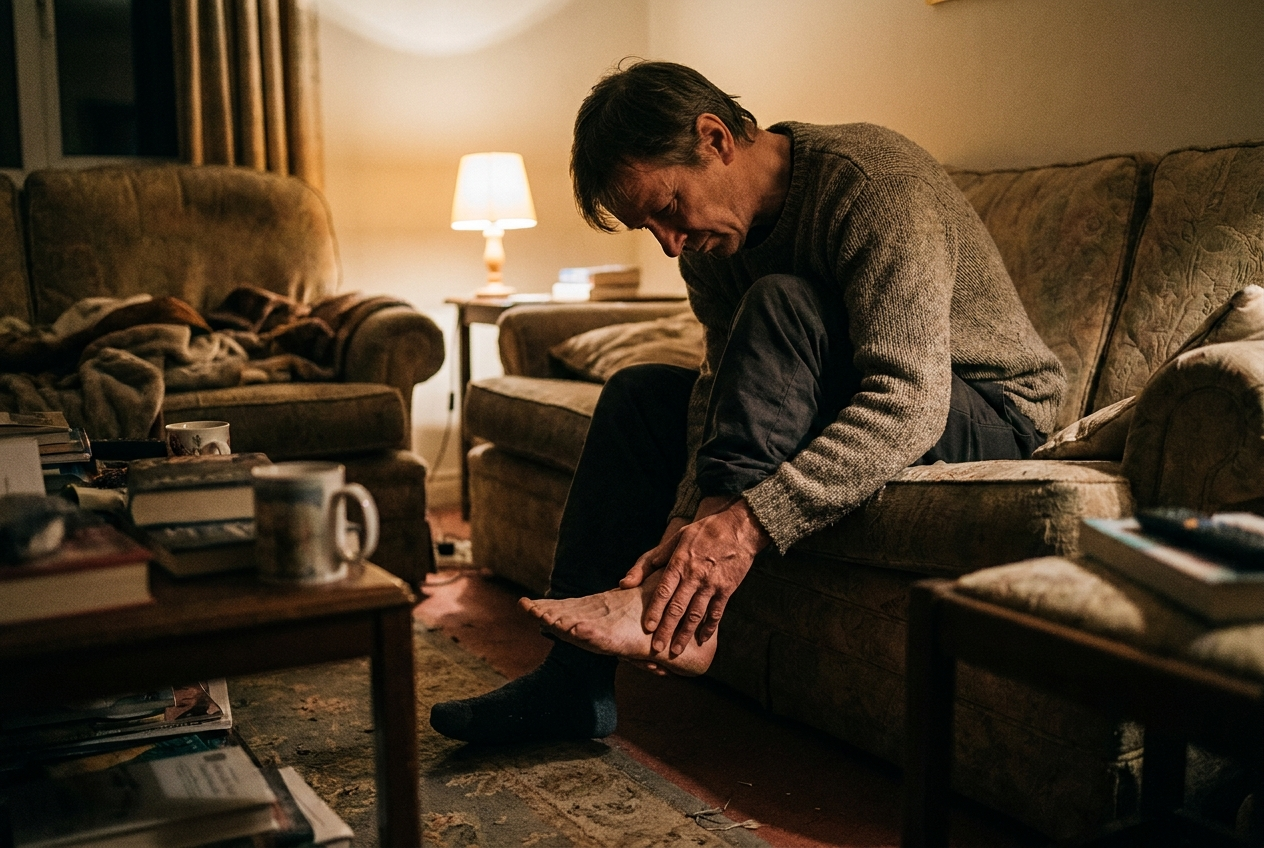
Why do feet hurt so much after standing all day?
Standing keeps your leg and foot muscles in a low-level, continuous contraction instead of the natural pump you get from walking. Blood and fluid pool lower in the body, which is why ankles look puffier by evening. The plantar fascia, the band of tissue along the sole, stays under sustained tension rather than getting the brief releases it gets when you walk or sit. Add a hard floor like tile or concrete, and there is no cushioning between your joints and the ground. None of this is dangerous on its own, but it adds up across a shift, which is why the same shoes can feel fine at 9am and unbearable by 5pm.
What should you actually look for in a recovery slipper?
Not every slipper marketed for comfort actually helps tired feet. A few things make a real difference:
- A textured or nodule sole. Raised points across the footbed apply gentle, repeated pressure to the arch and ball of the foot with every step, similar to what a hands-on foot massage does.
- Support, not just softness. A slipper that is all soft foam and no structure can let your arch collapse further, which is the opposite of what tired feet need. Look for a firmer footbed under the cushioning.
- Breathable material. Feet that have been in closed shoes all day benefit from air circulating around them, especially if there is any swelling.
- A non-slip sole. If you are moving between rooms, especially the kitchen or bathroom, grip matters more than it seems like it should.
Here is how those needs map to specific styles:
| What your feet need | Look for | Solerigins pick |
|---|---|---|
| General pressure-point relief after a full shift | Textured nodules across the sole | Acupressure Massage Slippers |
| Deep, all-over stimulation | Dense pellet bed underfoot | Pellet Massage Slippers |
| Heel and ankle-specific ache | Built-in heel massage ball | Women's Heel Massage Slippers |
| Simple daily comfort, minimal texture | Lightweight, breathable EVA | Comfortable House Slippers |
Do acupressure slippers actually help after a long shift?
Many people find the pressure genuinely relaxing after standing for hours. To be clear about what they are: acupressure slippers are a wellness product, not a medical device. They are not intended to diagnose, treat, or cure plantar fasciitis, neuropathy, or any other foot condition, and they will not fix a problem caused by unsupportive work shoes on their own. What they do offer is a low-effort way to add gentle, targeted pressure to your evening routine while you are already sitting or moving around the house. For a deeper look at what the research does and does not say, see this earlier piece.

Targeted nodules across the arch and ball of the foot for gentle pressure with every step.
What if my feet need more than light pressure?
Nodule-style slippers apply pressure at defined points, but some people, especially after a shift on concrete or tile, want fuller coverage across the whole sole. That is where a pellet-style footbed works differently: instead of a set pattern of points, a dense field of small, rounded pellets contacts nearly the entire underside of your foot with each step, reading as a more diffuse, all-over massage. It is a good option if the arch and ball approach feels too localized.

A dense field of rounded pellets activates with every step for fuller sole coverage.
What about heel pain specifically?
Heel strike carries a large share of your body weight on hard flooring, and it is often the part of the foot people notice hurting first after a long shift, especially with plantar fasciitis-type discomfort. A slipper built around general arch pressure will not necessarily reach the heel with much intensity. That is the specific gap a built-in heel massage ball is designed to close, giving the heel its own point of focused pressure rather than relying on the rest of the footbed to cover it.

A built-in heel massage ball gives the heel its own dedicated pressure point.
Is it fine to wear massage slippers every day, or just after a shift?
Most people find textured or pellet soles most comfortable in shorter stretches, an hour or two in the evening rather than all day, and many brands (including ours) recommend a short break-in period since the pressure can feel intense at first. We wrote a full break-in guide if you are new to this style. If you want something you can wear from the moment you walk in the door until bed without thinking about it, a simpler, softer slipper is the better everyday choice, saving the textured styles for a deliberate recovery session.

Lightweight, breathable, and easy on the feet for hours at a time, no break-in needed.
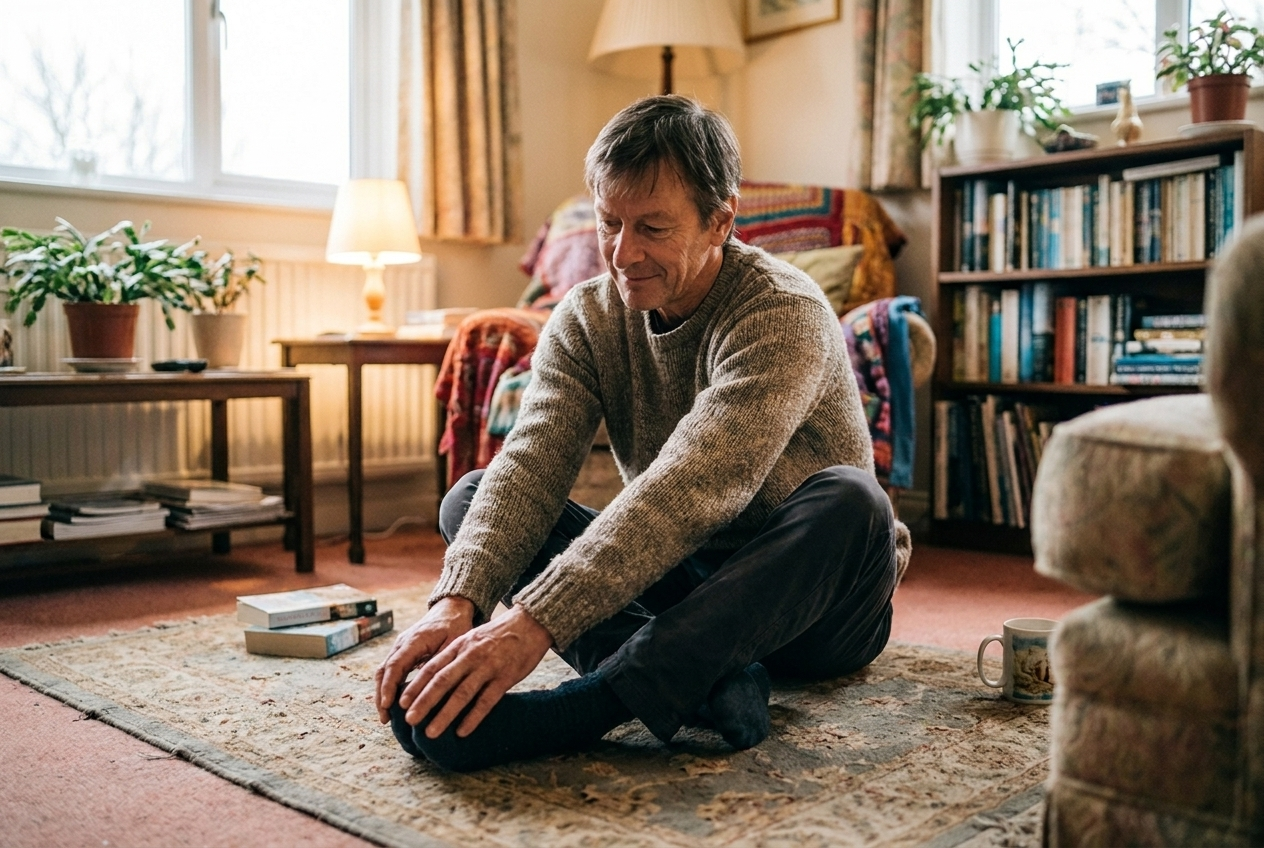
A simple 5-minute foot reset after a long shift
- Get off your feet first. Sit down before you do anything else, even before you change out of your shoes.
- Change out of work shoes right away. Hard-soled or compressive shoes keep the same pressure going even after you stop moving.
- Elevate your feet for a few minutes. Prop them above hip height if you can, even just on a cushion, to help fluid drain back out of the ankles.
- Put on a massage or acupressure slipper. Let the sole do the work while you sit, rather than standing straight into it.
- Stretch your calves against a wall. A minute of a gentle calf stretch loosens the tissue that has been under tension all day.
Frequently asked questions
What is the best slipper for people who stand all day?
It depends on where the ache shows up most. Acupressure slippers with a nodule sole work well for general end-of-shift relief, a pellet sole suits people who want fuller coverage across the whole foot, and a heel massage ball design targets heel-specific soreness. All three are meant for evening recovery rather than all-day wear.
Can acupressure slippers help with plantar fasciitis?
Some people with plantar fasciitis find the pressure soothing as part of an evening routine, but acupressure slippers are a wellness product, not a medical treatment. They are not intended to diagnose, treat, or cure plantar fasciitis or any other condition, and anyone with ongoing heel or arch pain should speak with a podiatrist or physiotherapist.
How long should I wear massage slippers each day?
Many people start with 20 to 30 minutes and work up from there, since the pressure can feel strong at first, especially on a nodule or pellet sole. If a style still feels too intense after a break-in period, a softer everyday slipper is a better fit for longer wear.
Are massage slippers safe to wear in the bathroom?
Only if the specific pair has a non-slip, water-resistant sole rated for wet floors. Not every massage slipper is built for bathroom use, so check the product description for slip resistance before wearing any slipper on a wet tile or shower floor.
Do compression socks work better than massage slippers for tired feet?
They target different things. Compression socks support circulation up the leg during your shift, while massage slippers apply localized pressure to the sole once you are off your feet. Many people who stand all day use both, compression during work and a massage slipper for recovery afterward.
Give your feet a proper end-of-shift recovery
Shop the full Massage Slippers collection and find the pressure style that fits your day.
Shop Massage Slippers →Free shipping on orders over $100 CAD.