
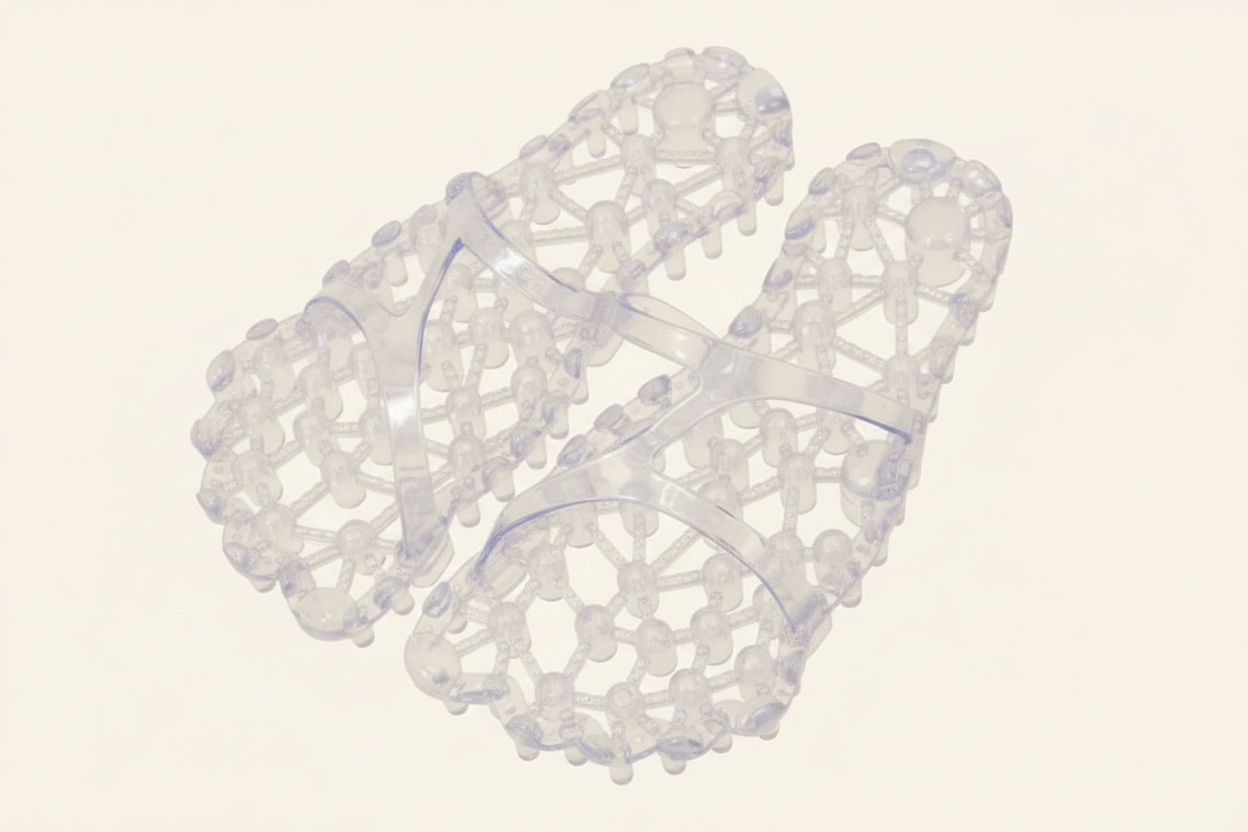
The short answer: start slow. Wear acupressure slippers for 10 to 15 minutes a day for your first three to five days, ideally over a thin sock, then add a few minutes every few days until you reach 20 to 30 minutes at a time. Most people find the pressure noticeably more comfortable within a week. Skipping the ramp-up and going straight to an hour of barefoot wear is the single most common reason people give up on acupressure slippers after one try.
This guide walks through a realistic break-in schedule, how to tell if you're overdoing it, who should check with a doctor before starting, and the small habits that make the difference between slippers you actually reach for and a pair that ends up at the back of the closet. Acupressure slippers are wellness accessories, not medical devices. Nothing here replaces advice from a healthcare provider, especially if you have an existing foot condition.
How long should you wear acupressure slippers on day one?
Ten to fifteen minutes, seated if possible, is a sensible starting point. The nubs on an acupressure slipper concentrate your body weight across a much smaller surface area than a flat sole does, so even standing still in them feels more intense than a normal shoe. That firm, slightly prickly sensation in the first few sessions is normal. Sharp, stabbing pain is not, and is a sign to take them off and try a shorter session next time.
Sitting down for your first few wears, rather than walking laps around the kitchen, lets you get used to the pressure without shifting your full weight onto the balls of your feet. Once 10 to 15 minutes feels manageable, you can start adding light walking.
What's a realistic break-in schedule?
There's no single official protocol, but this is a pattern that works for most beginners and mirrors what several acupressure and reflexology guides recommend:
| Stage | Duration | How to wear them |
|---|---|---|
| Days 1 to 3 | 10 to 15 minutes | Seated, with a thin sock |
| Days 4 to 7 | 15 to 20 minutes | Light walking, socks optional |
| Week 2 | 20 to 30 minutes | Barefoot is fine for most people |
| Week 3 and beyond | Up to 30 to 45 minutes | As long as it stays comfortable |
If a stage still feels too intense after a few days, stay there longer before moving on. There's no prize for rushing it.

Targeted nodules across the footbed, built for exactly the kind of gradual break-in schedule above.
Should you wear socks the first few times?
For most beginners, yes, at least for the first three to five days. A thin sock takes the edge off the pressure without blocking it entirely, which makes the first week noticeably more comfortable, especially if you have sensitive feet or a lower pain tolerance. Once the sensation feels more like a firm massage than a poke, try a session barefoot and see how it compares. Many people end up preferring bare feet long term because the pressure feels more precise, but there's no rule that says you have to go sock-free at all.

How do you know if you're wearing them too long?
A few signs to watch for during and after a session:
- Sharp or stabbing pain instead of firm pressure. Take them off.
- Numbness or tingling that doesn't fade within a minute or two of removing them.
- Red marks that linger past 10 to 15 minutes after you take them off, rather than fading quickly.
- Bruising, which usually means the session was too long or too intense for where your feet are at.
If you notice any of these, shorten your next session and move through the break-in schedule more slowly. It's also worth double-checking your size. If a slipper runs large or small, the nodules can land under the arch or heel instead of the ball of the foot, which changes how the pressure feels and can make it feel more uncomfortable than it should.

A softer breathable footbed for anyone who finds the standard nodule intensity too much at first.
What's the best time of day to wear them?
Most people find evenings work best, after feet have been on their feet all day and want to unwind. Others prefer a short morning session as part of a wake-up routine. Either works. What matters more is avoiding acupressure slippers right after a long run, a workout, or a day of standing when your feet are already tired, swollen, or achy. Give them a little time to settle first, then wear the slippers once the initial fatigue has eased.
Who should check with a doctor before wearing acupressure slippers?
A few groups should talk to a healthcare provider before adding acupressure slippers to a routine: people with diabetes or peripheral neuropathy, since reduced sensation in the feet makes it harder to notice if pressure is too intense; anyone with open wounds, blisters, or a recent foot injury or surgery; and anyone with a diagnosed circulation condition. Pregnant people should also check in with their provider first, since some acupressure points are traditionally treated with caution during pregnancy.
To be clear: acupressure slippers are a wellness product. They're not intended to diagnose, treat, cure, or prevent any medical condition, and they're not a substitute for professional care.

A built-in heel massage ball for anyone whose fatigue sits more in the heel than the arch or ball of the foot.
What mistakes make the break-in period harder than it needs to be?
A few patterns come up again and again with first-time wearers:
- Skipping socks in week one. Going barefoot too soon is the fastest way to end a break-in period after one uncomfortable session.
- Standing or walking immediately. Full body weight on the nodules from minute one is a much bigger jump than easing in seated.
- Assuming more is better. An hour on day one isn't a shortcut to faster results. It's usually the reason people quit by day two.
- Giving up after one bad session. If ten minutes felt like too much, five minutes the next day is a completely reasonable adjustment, not a failure.
- Wearing the wrong size. Nodules that don't line up with the ball of the foot and arch feel random and uncomfortable rather than purposeful. Check the size chart before ordering.

A hollowed, quick-draining sole designed for post-shower wear, useful for shorter early sessions in the bathroom.
Frequently asked questions
How long before I notice a difference wearing acupressure slippers?
Many people describe feeling more relaxed or looser in the feet the same day they wear them. Any changes related to circulation or ongoing foot discomfort tend to depend on consistent use over one to two weeks, and results vary from person to person and aren't guaranteed.
Can I wear acupressure slippers all day?
It's not recommended, especially for beginners. Even experienced wearers usually cap sessions around 30 to 45 minutes at a time rather than wearing them continuously.
Do acupressure slippers hurt at first?
Some firm, prickly discomfort in the first few sessions is normal and typically eases as you build tolerance. Sharp or stabbing pain is not normal and means the session should end.
Can people with diabetes wear acupressure slippers?
Check with a doctor first. Reduced sensation in the feet, which is common with diabetes and neuropathy, makes it harder to notice if pressure has become too intense.
How often per week should I wear acupressure slippers?
Short daily sessions generally work better for building tolerance than one long session once a week. Consistency matters more than duration, especially early on.
Do acupressure slippers work differently on hard floors versus carpet?
Yes, slightly. Hard floors tend to create firmer, more direct pressure, while carpet softens the sensation a bit. Beginners sometimes find it easier to start on carpet.
Ready to start your break-in routine?
Shop the acupressure slippers built for a gradual, comfortable start.
Shop Acupressure Slippers →Free shipping on orders over $100 CAD.